
Start.gg
Start.ggEvents
4.02.00 Reviews
- Version
- 1.5.2
- Installs
- 10.00K
- Age Rating
- Everyone
Screenshots
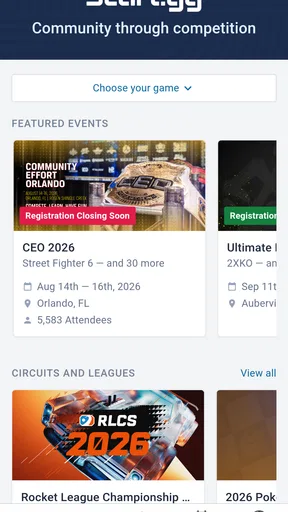
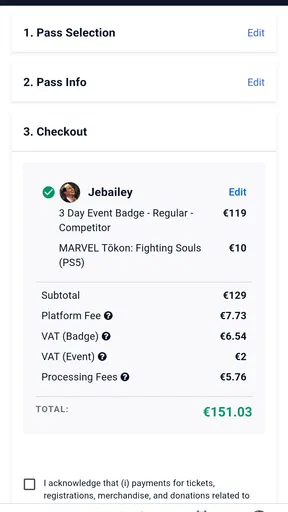
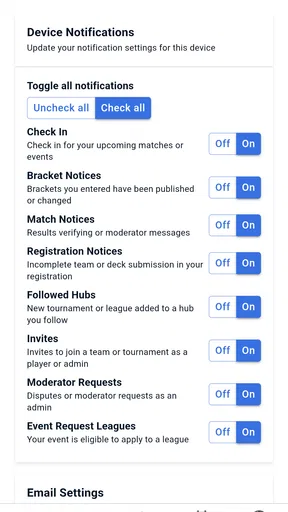
Our Review of Start.gg
 Analysis by Appyee
I approached Start.gg as someone who wants to follow competitive gaming events without turning the process into a hunt across scattered pages, social posts, and chat messages. Its purpose is clear: it is an events app from Start.gg built around competitive gaming. That focus makes it more useful for an active tournament participant or regular viewer than for someone who only plays casually and rarely checks organized matches.
The first thing I noticed is that this is not trying to be a general game launcher, a social network for every kind of player, or a replacement for the game itself. It is better understood as a central place for the competitive-event side of gaming. That distinction matters because the value appears before a match begins: finding an event, understanding where you fit into it, and keeping track of what happens next.
I used it with a simple goal in mind: start with an upcoming competitive gaming event, work out the practical details, and follow the path through participation or viewing. That workflow is where the app makes sense. It gives the event a defined home, while the actual quality of the experience still depends heavily on how clearly the organizer has prepared the event and how comfortable you are with tournament routines.
From “I want to compete” to a usable event plan
My starting condition was familiar. I knew I wanted to take part in or follow competitive gaming, but I did not want to rely on a random search result or a conversation that might become outdated. An event-focused app is useful here because it changes the question from “Where is everyone talking about this?” to “Which event am I trying to reach, and what do I need to do next?”
That change sounds small, but it affects how you prepare. Instead of treating a tournament as a single announcement, I found it more practical to treat it as a sequence: locate the event, inspect its information, identify your role, and keep the event page available while the competition moves forward. This is the first non-obvious strength of the app. It encourages a checklist mindset rather than a stream-of-messages mindset.
The app is free, which lowers the barrier for someone who is curious about organized play. It also carries an Everyone content rating, so its presentation is not aimed at a narrowly restricted audience. I would still separate that age label from the experience of competitive gaming itself: the app may be broadly accessible, while tournaments can demand patience, punctuality, and familiarity with match procedures.
Start.gg has an average rating of 3.3 from 16 ratings, so I would not treat its current store reception as proof that it will be perfect for every user. The small number of ratings also makes the figure less useful as a universal verdict. In my view, the more important question is whether you regularly need an organized event hub. If you do, the focused design has a reason to exist; if you do not, the app may feel like a specialized tool waiting for a specific occasion.
Finding the right event instead of collecting noise
The most useful way to approach the app is with a purpose already in mind. If you are looking for a particular competitive scene, start with the event rather than browsing aimlessly. Check the title, timing, and participation context before committing yourself. This avoids a common mistake in tournament planning: assuming that an event is suitable simply because its name looks familiar.
I also recommend checking the event page again shortly before you need it. Competitive plans can involve changes in timing, match progression, or instructions, and an old message copied into a private chat is not the best source of truth. The app’s event-centered approach gives you a more sensible place to return to, but it does not remove the need to read carefully.
That is one of the trade-offs. A broad social platform may feel faster when you are simply asking friends what is happening, while Start.gg is more valuable when you need an organized reference point. The social alternative can be better for conversation and informal updates. This app is better suited to the structured part of the process, where an event has a defined identity and you need to orient yourself around it.
Moving from discovery to participation
Once I had an event in mind, I treated the next step as a handoff from browsing to action. This is where a newcomer should slow down. Do not assume that seeing an event means you are automatically ready to compete. Read the available event information, understand whether you are following as a viewer or joining as a participant, and make sure you know what the organizer expects from you.
That advice is practical rather than glamorous, but it is exactly where event apps earn their place. A good workflow reduces uncertainty before the first match. I would keep the app open while preparing, note any important instructions in a separate reminder if necessary, and avoid relying on memory. Competitive gaming often becomes stressful because small details are handled at the last minute; using the event page as a planning anchor helps prevent that.
For a player entering a tournament after work, the everyday scenario is easy to imagine. You finish your day, open the app, locate the event, review the relevant information, and use that page as your reference instead of searching through several conversations. If the event is clearly organized, this can turn preparation into a short routine. If the information is scattered or unclear, the app cannot solve that organizational problem by itself.
The handoff between organizer, player, and viewer
The app’s real-world value becomes clearer when several people use the same event as a shared point of reference. The organizer creates or maintains the event context. The player uses it to understand where they stand and what they need to do. The viewer uses it to follow the competition. Those are different needs, but they meet around the same event rather than requiring three unrelated sources.
This shared reference is more important than a flashy interface. In a tournament, the handoff from organizer to player can fail when instructions are buried in a chat, while the handoff from player to viewer can fail when progress is difficult to follow. An event hub cannot guarantee perfect communication, but it gives everyone a better chance of looking at the same place.
I would especially recommend the app to players who participate in more than one organized event. Repeated use makes its structure more worthwhile because you develop a routine: check the event, prepare, return during competition, and review what has changed. For a one-time casual viewer, the benefit is smaller, and a direct broadcast or community post may feel more immediate.
There is also a useful distinction between the app and a messaging service. Messaging is excellent for quick questions and personal coordination, but it is poor at preserving a clean event history once many people start talking. Start.gg is not a substitute for asking a human when something is unclear. It is a way to keep the event itself from disappearing inside conversation.
Following the event without losing the plot
During the event, I found the best habit was to return to the event context rather than constantly switch between unrelated sources. Competitive gaming can produce a lot of movement: matches begin, players move forward, and viewers want to know what matters next. A dedicated event app is useful because it frames that movement around the competition instead of around a general feed.
My practical tip is to use the app as a control point, not as your only communication channel. If you are competing, keep any direct organizer contact available for urgent clarification. If you are watching, use the event information to understand what you are seeing, then use the appropriate viewing channel for the actual match when needed. This division of labor avoids expecting one app to handle every part of the experience.
That is another trade-off that is easy to miss. A specialized event app can make the competition easier to organize, but specialization also means it may not replace the game, a streaming service, or a community chat. I prefer that separation when the event information is clear. I would dislike it when I have to jump between too many places simply to understand a basic next step.
What happens after the match
The outcome of the workflow is not only a win, a loss, or a completed viewing session. It is also whether you can understand what happened and decide what to do next. For a participant, that may mean knowing whether the event is finished for you or whether another stage remains. For a viewer, it may mean being able to follow the event without repeatedly asking where things stand.
This is where I see the app’s strongest promise: it gives competitive gaming an event-shaped structure. The result feels more meaningful when the path to it is understandable. Even if you are eliminated early, a clear event flow is more useful than a vague announcement followed by silence. For organizers, the shared structure can reduce repeated explanations; for players, it can reduce avoidable uncertainty.
Still, I would not judge the app solely by whether it makes tournaments feel effortless. Competitive events are inherently more involved than opening a casual game. There may be rules to read, times to remember, and decisions to make under pressure. The app can support that process, but it cannot replace preparation or good event management.
The current version is 1.4.1, and the app is available for devices running Android 5.1 or later. That broad technical reach is helpful if you are using an older Android phone, especially as a secondary device during an event. I would nevertheless test the app before tournament day rather than installing it at the last moment. Reliability matters more when a missed update or delayed check can affect your participation.
Where the workflow breaks down
The biggest weakness is the dependency on event quality. If an organizer does not keep information clear, an event hub can still leave you confused, only in a more official-looking place. The app is not magic. It can centralize details, but it cannot invent missing instructions, resolve a disagreement, or make an unclear schedule understandable.
The second limitation is that newcomers may not immediately know how much attention an event deserves. Someone accustomed to ordinary game matchmaking might expect to tap once and be placed into a match. Competitive events often work differently. You may need to interpret the event’s structure, watch for your next step, and understand that participation is a process rather than an instant queue.
This is why I would not recommend it as a general gaming companion for someone who mainly wants game recommendations, casual multiplayer, or broad entertainment news. A general gaming community may offer more conversation, while a game-specific service may provide a smoother route into ordinary matchmaking. Start.gg makes more sense when the event itself is the center of your activity.
There can also be friction when your personal workflow is spread across several tools. You might use the app for event information, a separate channel for direct questions, and another place for watching matches. That is not necessarily a flaw, because each tool can do its own job well, but it does mean the app is not a complete competitive-gaming command center in the broadest sense. I would plan for those handoffs instead of assuming everything happens inside one screen.
Who gets the most from this app
I think the strongest audience is made up of tournament players, regular spectators, and people who help organize competitive gaming events. These users have a recurring need for a stable event reference. The app is also a sensible starting point for someone who has heard about organized competition and wants a more structured route than following scattered posts.
It is particularly useful when you need to move between roles. A player might compete one day and watch another event the next. An organizer may need to think about the participant’s view as well as the audience’s view. Because the app is centered on events rather than a single narrow role, it can support that change in perspective.
I would be more cautious about recommending it to a person who only watches occasional highlights or expects every detail to be explained automatically. That user may find a direct video platform or a familiar community channel easier. The app rewards people who are willing to inspect event information and follow a process; it is less compelling for someone who wants passive entertainment.
My practical routine for using it
If I were advising a friend before a tournament, I would suggest installing the app early, opening the relevant event, and reading it once when there is no pressure. I would then return close to the start time, confirm the event context again, and keep the app available during the competition. This two-pass routine is better than trying to absorb everything while matches are already moving.
I would also separate “information I need to know” from “information I need to act on.” For example, general event background can be read in advance, while immediate instructions deserve attention near the time they matter. That small distinction helps prevent a common failure: remembering the event name but missing the practical step required to continue.
For viewers, my advice is different. Use the event page to understand the shape of the competition, then choose the best viewing method for the actual matches. This keeps the app in its strongest role as an event guide rather than forcing it to replace every other part of the viewing experience.
For organizers, the lesson is even more important: an event page is only as useful as its clarity. Write for a tired participant who may be checking details quickly on a phone. Put the next action where people can find it, keep changes consistent, and assume that not everyone understands tournament terminology. The app can provide the meeting point, but the organizer still controls whether the handoff feels smooth.
Final assessment for competitive gaming users
Start.gg is a focused, free events app that I would recommend when competitive gaming is the reason you are opening your phone. Its value comes from giving tournaments a recognizable home and helping players, viewers, and organizers work from the same event context. That is more useful than a generic feed when you need to prepare, return at the right moment, and understand what happens after each stage.
At the same time, I would keep expectations realistic. It is not the best choice for casual gaming discovery, instant matchmaking, or a complete replacement for chat and viewing services. The workflow can break when event information is unclear or when too many handoffs are required, and newcomers may need time to understand the habits of organized competition.
With over 10 thousand installs, it has reached a modest but relevant audience for a specialized tool. The developer is Start.gg, the app remains free, and its Everyone rating makes it approachable for a broad range of users. My final recommendation is simple: if you regularly enter or follow tournaments, try making it your event reference and judge it by how much confusion it removes from your own routine. If competitive events are only an occasional curiosity, a general community or direct viewing option may be the easier fit.
The key question is not whether you play competitively every day, but whether you need one dependable place to organize your next competitive event. When the answer is yes, this app has a clear purpose and can make the journey from discovery to outcome feel more manageable. When the answer is no, its specialized focus may feel like extra structure rather than extra value.
Privacy and Permissions
See what permissions an app requests and how it handles your data.
- Other
- view network connections, full network access, prevent device from sleeping, Google Play license check
Verdict
Strengths of Start.gg
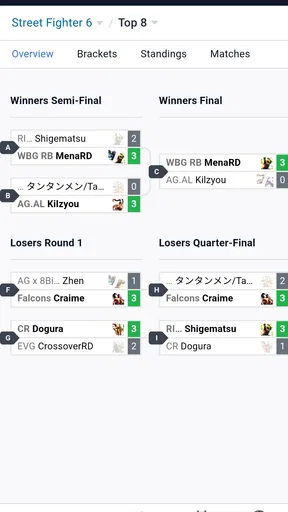
- Detailed tournament brackets, schedules, standings, and match results
- Supports many games, including esports and community fighting-game events
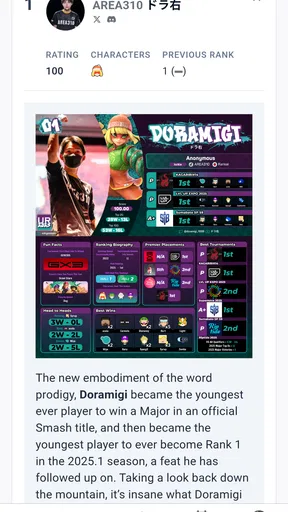
- Player profiles track rankings, results, teams, and tournament history
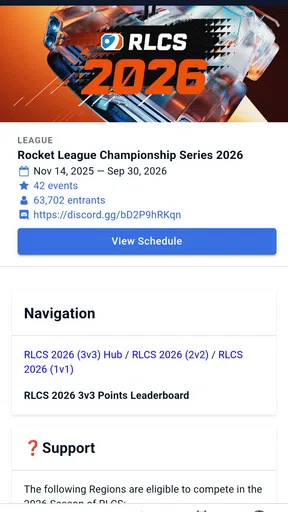
- Event pages provide venue details, rules, registration, and participant information
- Useful filters help find nearby, online, or game-specific tournaments
Limitations of Start.gg
- Some event information depends on organizers and may be incomplete or outdated
- The interface can feel crowded when browsing large tournaments
- Advanced features may require creating an account or signing in
- Smaller events may have limited player statistics and historical data
- Notifications and updates can vary depending on organizer activity
Similar Picks in This Category
View All
Easy Quran Mp3 Audio Offline
Muslim Worldapp4.7

Invitation Maker: Cards & RSVP
Greetings Island4.9

StubHub - Live Event Tickets
StubHub4.3

Fever: Events & Tickets
Fever Labs4.7

Epic Freebie Games Radar
Arioch Pds - Apps & Games4.4

Invitation card Maker, Design
Splendid App Maker4.9
Frequently Asked Questions
What is Start.gg used for?
Start.gg is an esports tournament platform where players can discover competitions, register for events, manage brackets, check match schedules, and follow results. It supports many competitive games and is useful for both casual local events and larger online or in-person tournaments. The exact features available may depend on the organizer and the specific event you join.
Can I register for tournaments through Start.gg?
Yes, Start.gg allows users to browse available tournaments and register directly when registration is open. You may need to create a profile, select the game and event, provide required information, and sometimes pay an entry fee. Some tournaments also require team registration, check-in, or additional steps listed by the organizer before participation is confirmed.
Is Start.gg free to download and use?
Start.gg can generally be accessed without paying for the platform itself, but individual tournaments may charge registration or entry fees. Organizers decide whether an event is free, paid, online, or held at a physical venue. Before registering, carefully review the event page for fees, refund rules, venue costs, deadlines, and any requirements that could affect the total price.
Which games and tournaments are available on Start.gg?
The platform hosts events for a wide range of competitive games, including fighting games, strategy titles, trading card games, and other esports communities. Availability changes constantly because organizers create and manage their own events. You can usually search by game, location, date, or tournament type, but the number of events and quality of information may vary between communities.
Do I need an account to use Start.gg?
You can often browse tournament pages and public results without creating an account, but an account is normally required for registering, managing your player profile, joining teams, checking in, and tracking competition history. Make sure your profile information is accurate, especially your username and contact details, because organizers may use them for brackets, announcements, and match-related communication.
